Home · Areas Served · North Burton Streets
Water Damage Restoration in North Burton Streets
Quick answer
Established neighborhoods on the north side with postwar ranches and mature trees.
north side homes
ZIP codes served here: 48519.
Common calls in North Burton Streets
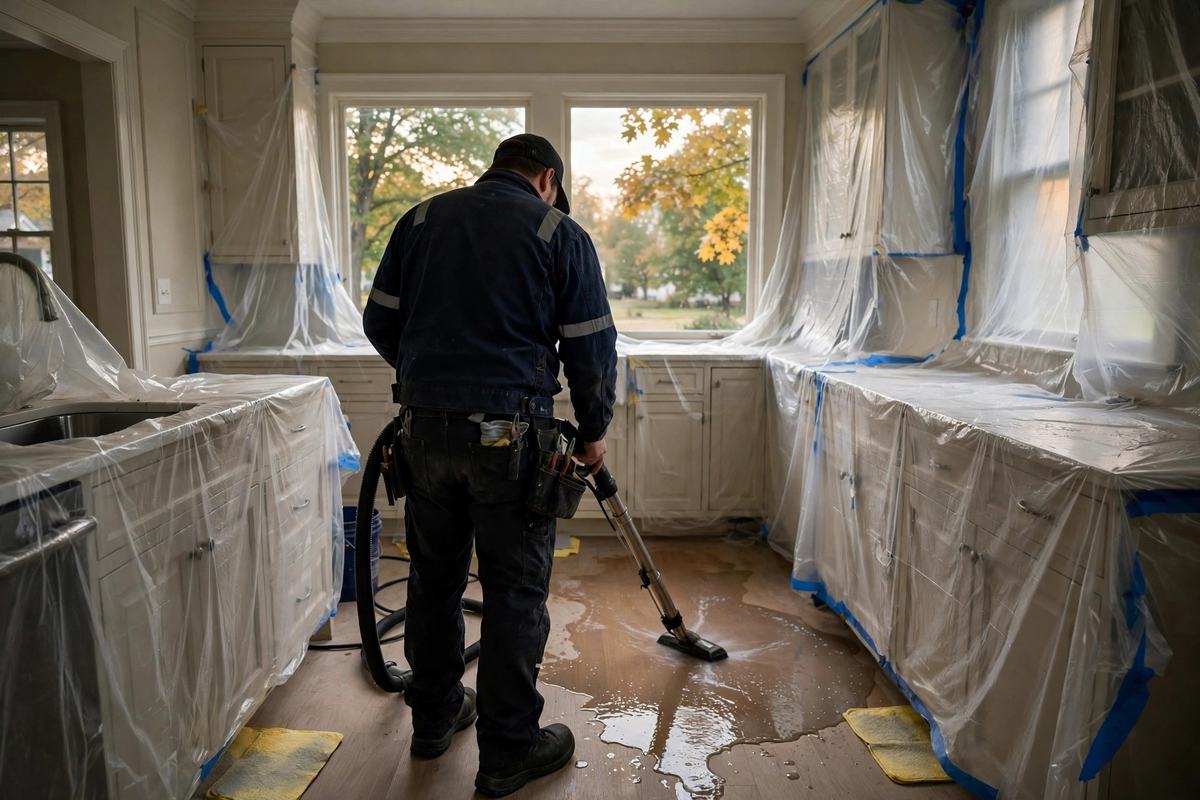
- Water visibly pooled on floors or in a basement. It usually means standing water is migrating under walls and floors while it sits.
- A burst line, failed water heater, or overflowing appliance still releasing water. It usually means the source must be stopped before extraction means anything.
- Rain or floodwater entering through doors, windows, or a garage. It usually means documentation taken now is the claim's foundation later.
- Carpet that squelches when stepped on. It usually means the pad under the carpet is saturated even where the surface looks merely damp; pad and subfloor drive the drying scope.
What jobs here tend to look like
Kearsley Creek crosses Burton on its way north, and the flat streets near its banks are where storm water lingers longest after heavy rain.
Housing in Burton: postwar ranches and split levels with full basements across flat subdivisions, plus older farmhouses on the larger lots at the edges.
Climate in Burton: cold winters with deep freeze and thaw cycles, humid summers, and heavy spring rain on snowmelt.
For water damage restoration in Burton, the pattern that repeats across jobs is set by those conditions together, and the scopes on this site are written around them, not around a national checklist.
Services available in North Burton Streets
Emergency Water Removal
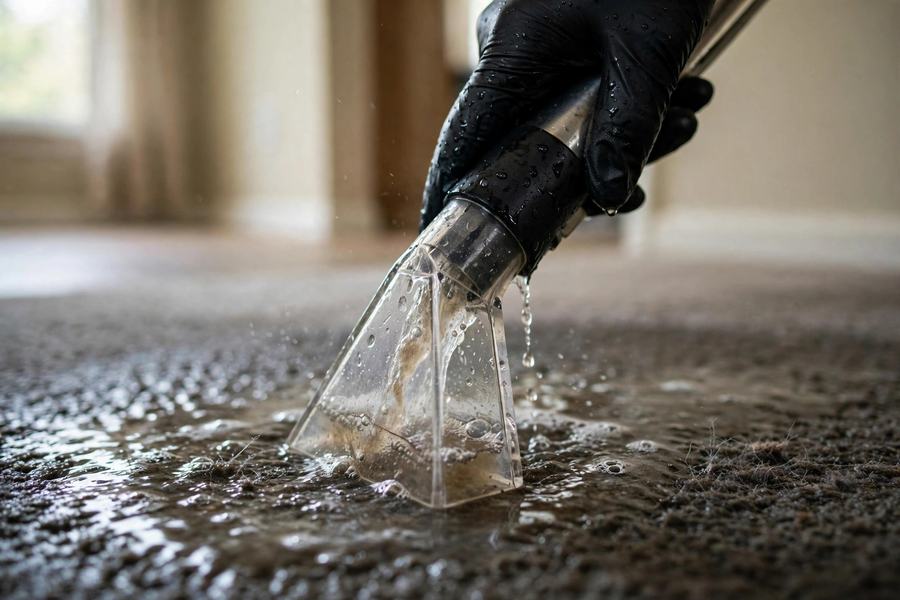
Emergency removal in Burton is about the clock: extraction and drying setup in the first hours is what keeps a basement event from becoming a whole house scope.
Basement Water Removal & Drying
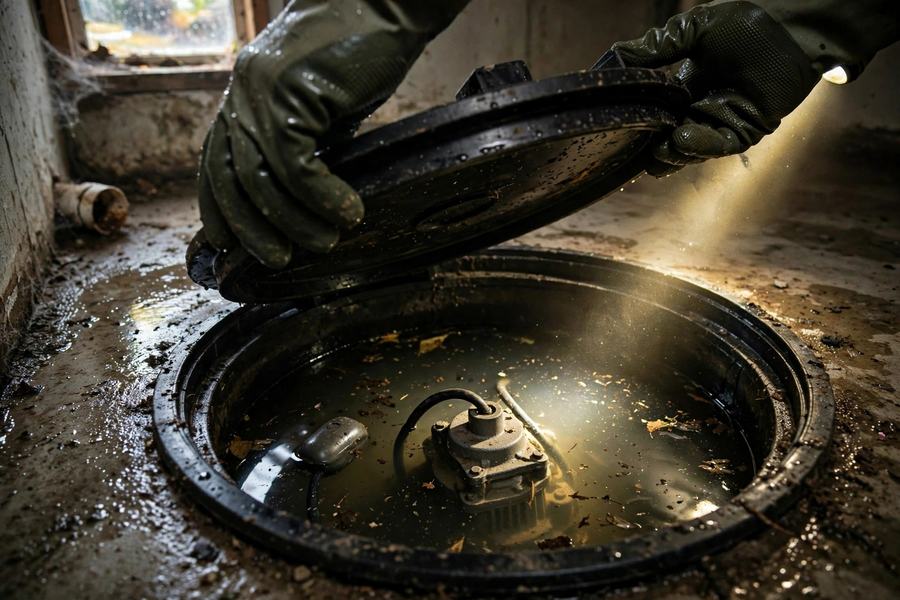
Basement work is read by the water source first, because a sump failure, a foundation leak, and a pipe break dry three different ways.
Crawl Space Water Damage
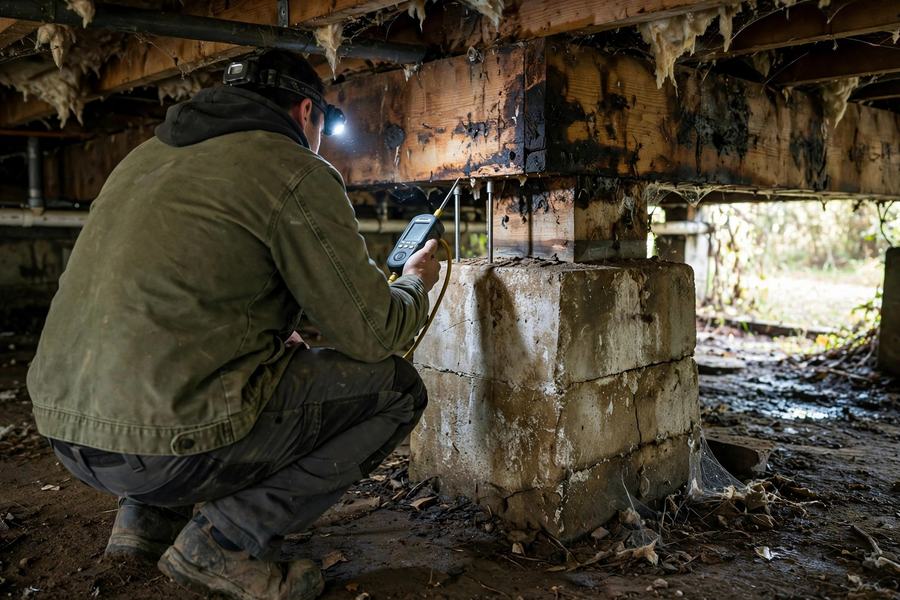
Crawl space water is scoped from the access and the vapor story; standing water there is usually a drainage finding, not a plumbing one.
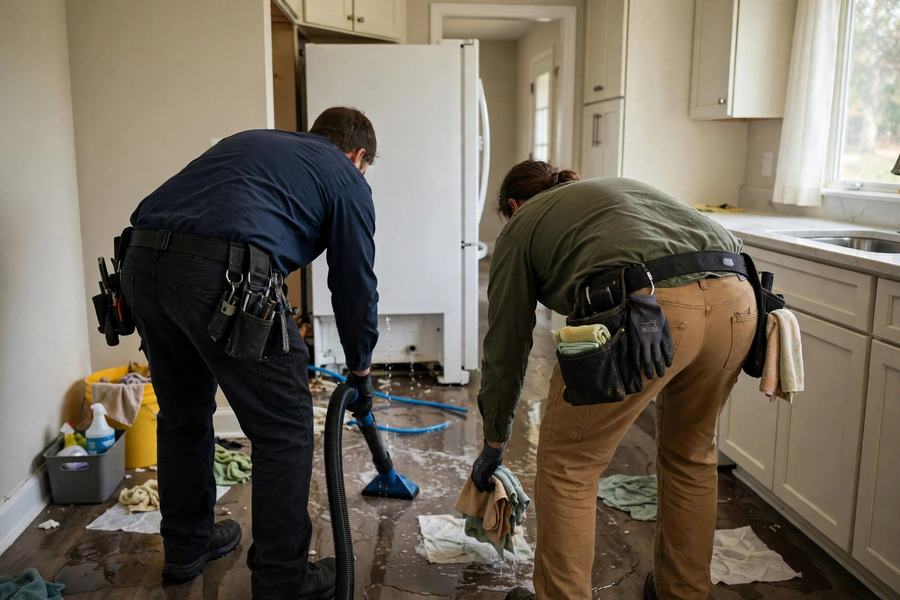
Appliance Leak Cleanup
Appliance leaks are read by duration: a hose that let go today is extraction, a valve that wept for months is a floor assembly scope.
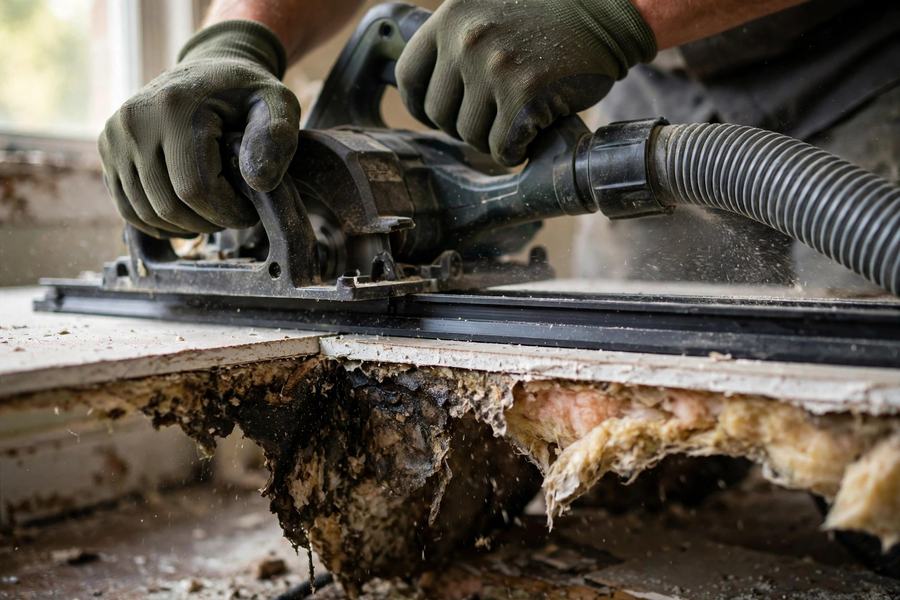
Water Damage Restoration
Restoration is the full sequence in writing: removal, drying verified by readings, and the rebuild list separated so you can see each price.
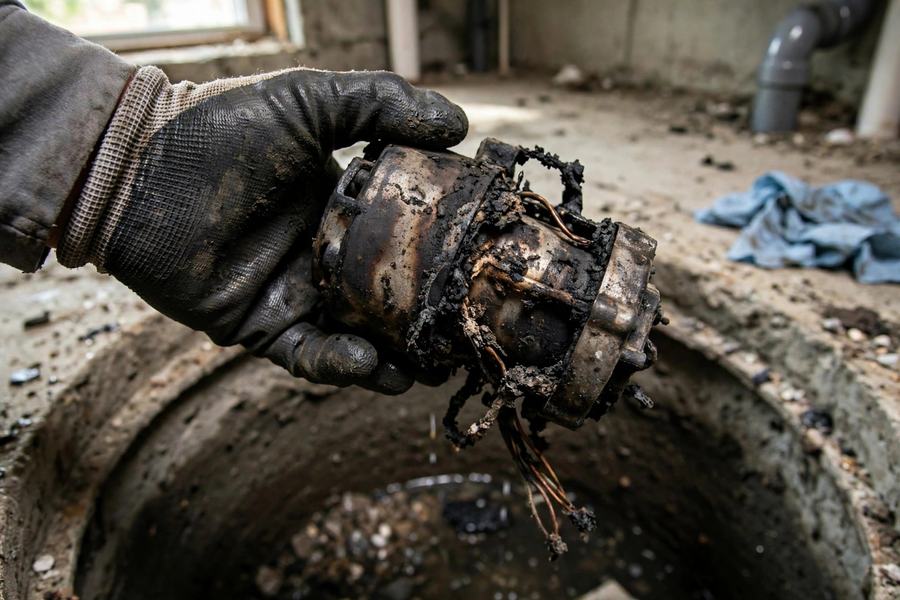
Sump Pump Failure Cleanup
Sump failure cleanup pairs the dry out with the pump read, because drying a basement and leaving the failed pump is a repeat purchase.
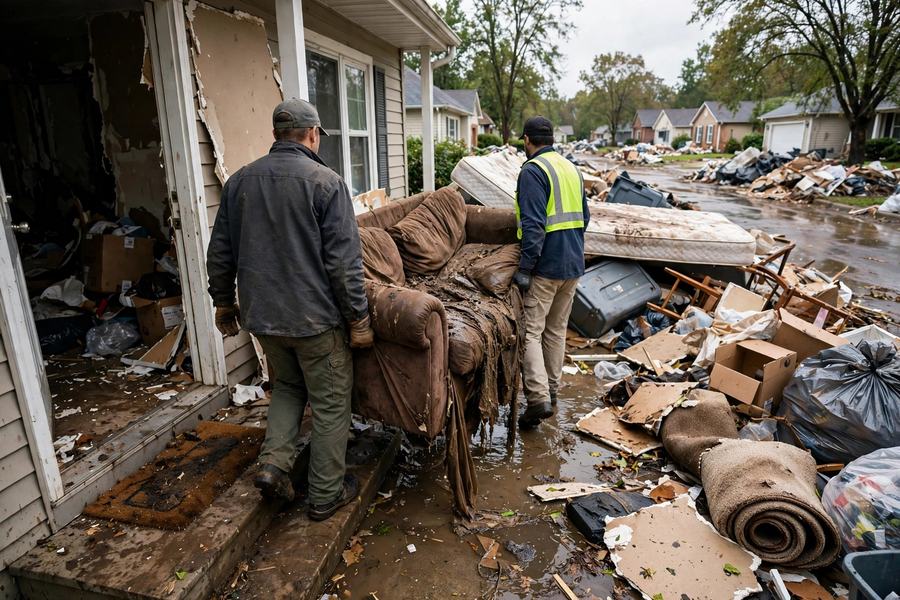
Flood Cleanup
Flood cleanup after creek and street flooding is category work: contaminated material is named and handled differently from clean water, in writing.
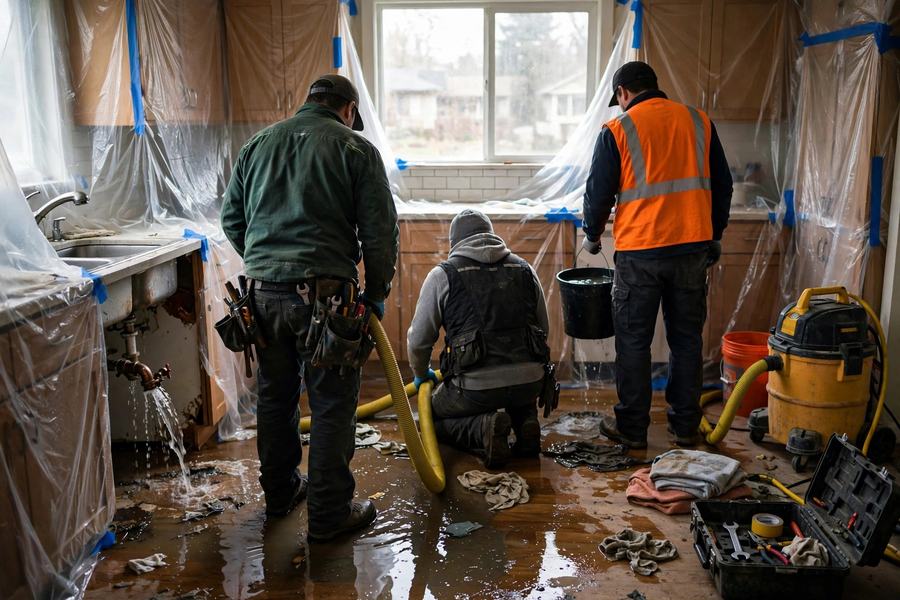
Burst Pipe Water Cleanup
Burst pipe cleanup starts at the split, which winter usually places on an outside wall or an unheated run, and the scope follows the water path down.
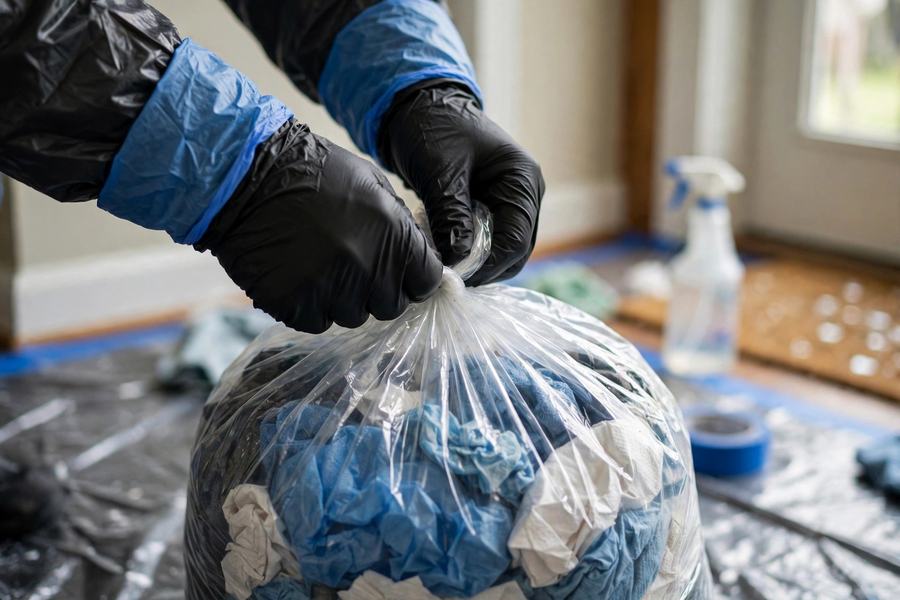
Sewage Backup Cleanup
Sewage cleanup is containment first: affected material is removed and disinfected under a written scope, and nothing about it is improvised.
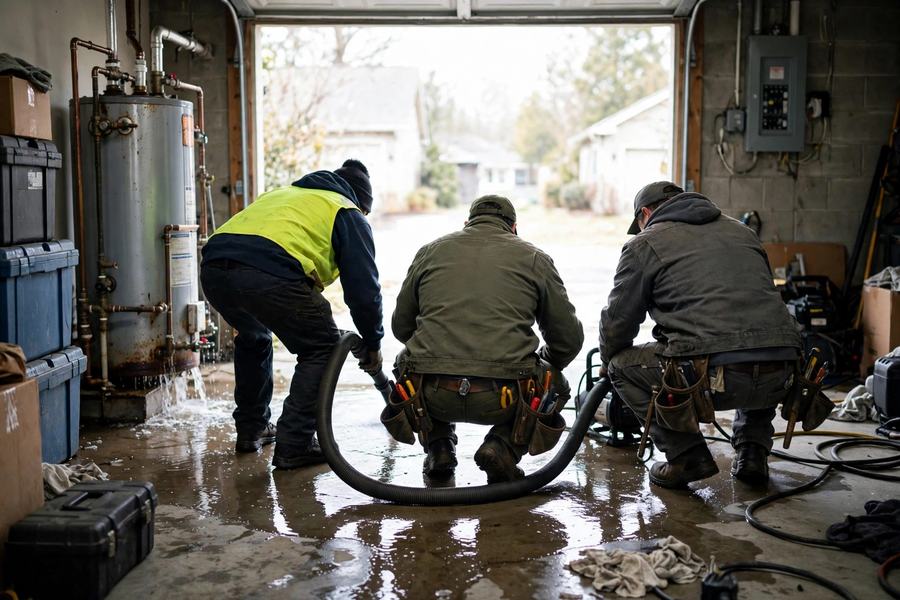
Water Heater Leak Cleanup
Heater leaks are read by the pan and the floor: a caught leak is a small dry out, a tank that emptied onto a finished floor is not.
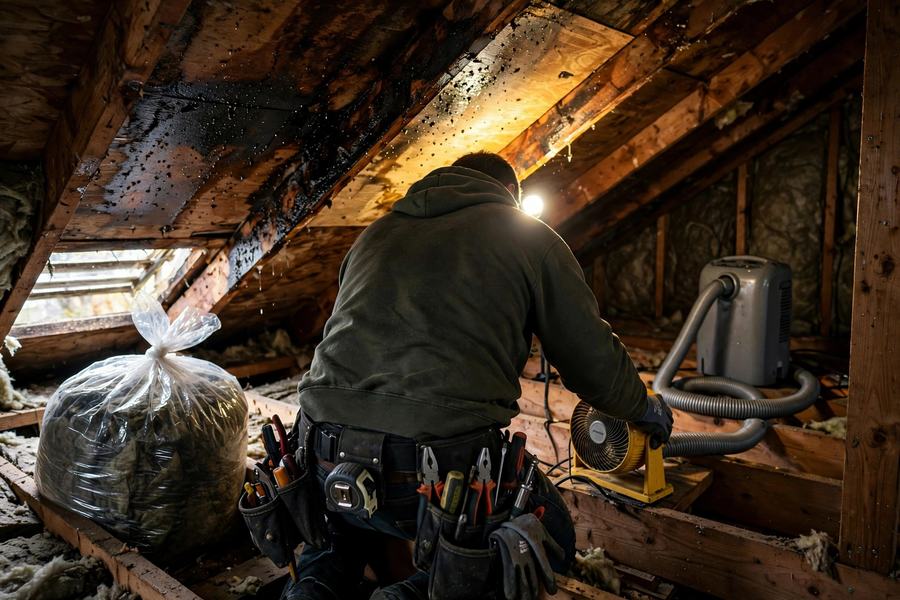
Roof Leak Water Damage
Roof leak water is traced from the stain uphill to the entry point, so the drying scope and the roof scope agree with each other.
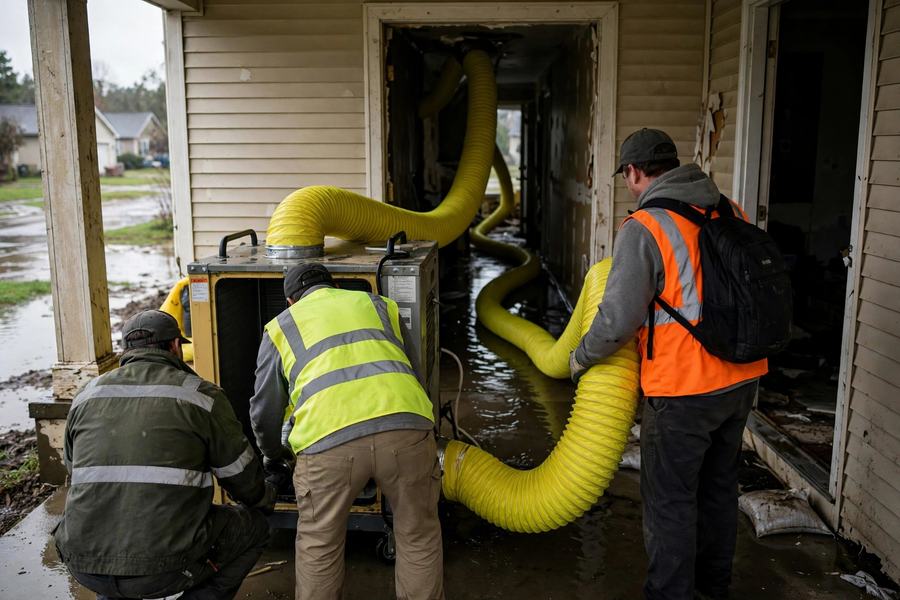
Structural Drying
Structural drying is verified by moisture readings in the assemblies themselves, and the record of those readings is part of what you receive.
Nearby areas we also serve
Request a callback
Prefer to talk later? Leave your details and an independent local pro will call you back. No charge to you, no obligation.
Kearsley Creek Restoration is a free referral service. Submitting this form connects you with independent local contractors who provide the work.